Step Outside and Meet the Wild Next Door

Today we’re exploring how to discover urban wildlife and pocket nature on short local walks, uncovering surprising habitats tucked between curbs, courtyards, drains, and doorways. With a few mindful minutes, you can learn to read city textures like a field guide, notice seasonal rhythms through pigeons, mosses, fungi, and foxes, and feel joy in the tiny green rooms that soften concrete and connect your routine to living, breathing neighbors.

Slow Down, See More

Micro-habitats at Your Feet

Look closely where water lingers and dust gathers. The lip of a manhole becomes a warm basking zone for flies; a crack shelters ants ferrying crumbs; the shady side of a planter hosts cool moss. These small niches mirror larger ecosystems, teaching how sunlight, moisture, and shelter shape who lives where. Kneel once, and you will find tiny forests and rivers that you stepped past a hundred times without seeing.

Tuning Your Senses

Let your ears scout before your eyes. Birdsong threads through engine noise; the dry click of a blackbird’s alarm can point you to a cat; rustling leaves reveal a mouse trail. Breathe the faint metallic scent after rain that often precedes mushroom flushes. Feel the cool air near ivy where insects rest. Train your attention like a camera lens, sliding from wide cityscape to intimate close-up without losing curiosity.

Keeping It Short, Making It Often

Short walks fit between commitments and build a rhythm that nature rewards. Repeat the same loop at different hours, and the neighborhood changes: dawn thrushes, noon butterflies, dusk bats. Frequent passes teach you to detect absences as clearly as presences—a silent hedge after fledglings leave, a puddle that vanishes after a dry week. Small, consistent steps create deep familiarity and foster care for places others rush past.

Neighbors with Feathers, Fur, and Scales

Cities host adaptable specialists and quiet traditionalists. Pigeons read our schedules, gleaning crumbs after lunch breaks; robins favor lamp-lit lawns for night feeding; foxes time their crossings with traffic lights. In some regions, wall lizards sun on brick; in others, kestrels hover over roundabouts. Meet these neighbors respectfully by noticing behavior, not just names, and you’ll appreciate how each species negotiates noise, light, shelter, and food in the urban mosaic.

Birdlife Before Breakfast

Dawn softens city sound, and birds take advantage. Listen for blackbirds layering flute-like phrases, house sparrows chattering like gossiping friends, and gulls mapping the morning airflow. Watch starlings practice murmuration fragments above parking lots. Check building edges for swifts slicing the sky in summer. A small notebook or voice memo helps you track returns, departures, and oddities, turning breakfast time into a reliable window for discovery and delight.

Mammals After Sunset

When streetlights hum, new routes open. Foxes thread alleys as if following invisible lines; hedgehogs shuffle under hydrangeas; raccoons rinse food in backyard basins where they live. Move quietly and avoid shining bright beams into faces. Notice tracks near dumpsters and den sites under porches. Share sidewalks with humility, remembering you are a guest on the nocturnal shift that began when your day ended and theirs truly woke.

Gardens in Cracks and Corners

Pocket nature thrives where we overlook it: a drainpipe seam where ferns root, a roadside verge that follows the sun, a neglected planter erupting with volunteer tomatoes. These corners reward gentle observation and a willingness to celebrate small triumphs. Learn the microseasons of your block by watching which corners green first and which hold dew longest, and you will read the year’s passage even when the calendar feels repetitive.

Kind Observation, Light Footprint

Your presence can comfort or disturb. Choose gentleness: observe from a respectful distance, keep dogs leashed near nests, and leave food sources natural to avoid unhealthy dependency. Replace loud flashes with patient waiting. Bring a small notebook, a reusable bag for litter, and a phone for photos and identification apps. These choices, multiplied by many walkers, protect delicate rhythms, document seasonal changes, and model how care and curiosity can walk the same path.

Gentle Distance, Better Encounters

Wild lives are not performances. If a bird stops feeding to watch you, you are too close. Step back until behavior resumes, and you’ll witness authenticity: preening, foraging, dust bathing. Avoid handling creatures, moving logs, or peeking into nests. Teach children that whispering and stillness lead to secrets. The goal is to leave a place exactly as found, except cleaner and more appreciated, with stories gathered rather than feathers taken.

Simple Gear for Big Curiosity

You do not need a backpack of gadgets. A phone with airplane mode, a pocket lens, a pen, and a tiny field notebook transform any walk. Add a reusable snack box to pack micro-litter collected along the way. Download an identification app and trust it as a guide, not a judge. The best tool remains your attention, made sharper by practice, slower steps, and a willingness to kneel on the sidewalk.

Community Science Without Overwhelm

Contribute observations on platforms like iNaturalist or local records centers when it feels joyful, not compulsory. One clear photo with date and location helps far more than ten rushed uploads. Focus on a simple project: the first dandelion bloom each spring, bats on your dusk circuit, or ladybirds on balcony rails. Small datasets gathered consistently unlock patterns researchers value, turning your quiet habit into meaningful, kindness-driven contributions.

Stories from the Crosswalk Edge

The Fox by the Bins

One evening, a fox paused between recycling containers, eyes reflecting amber. Instead of approaching, we waited. It trotted a practiced line, pausing to sniff a pizza box before slipping under a gate. Later, paw prints dotted soft dust like punctuation. Seeing its route taught us where fences fail, where cover matters, and how city nights hold corridors of safety stitched from our predictable habits and occasional crumbs.


A Sparrow’s Dust Bath Symphony

One evening, a fox paused between recycling containers, eyes reflecting amber. Instead of approaching, we waited. It trotted a practiced line, pausing to sniff a pizza box before slipping under a gate. Later, paw prints dotted soft dust like punctuation. Seeing its route taught us where fences fail, where cover matters, and how city nights hold corridors of safety stitched from our predictable habits and occasional crumbs.

Mushrooms After the Rain

One evening, a fox paused between recycling containers, eyes reflecting amber. Instead of approaching, we waited. It trotted a practiced line, pausing to sniff a pizza box before slipping under a gate. Later, paw prints dotted soft dust like punctuation. Seeing its route taught us where fences fail, where cover matters, and how city nights hold corridors of safety stitched from our predictable habits and occasional crumbs.

Micro-routes That Fit a Busy Day
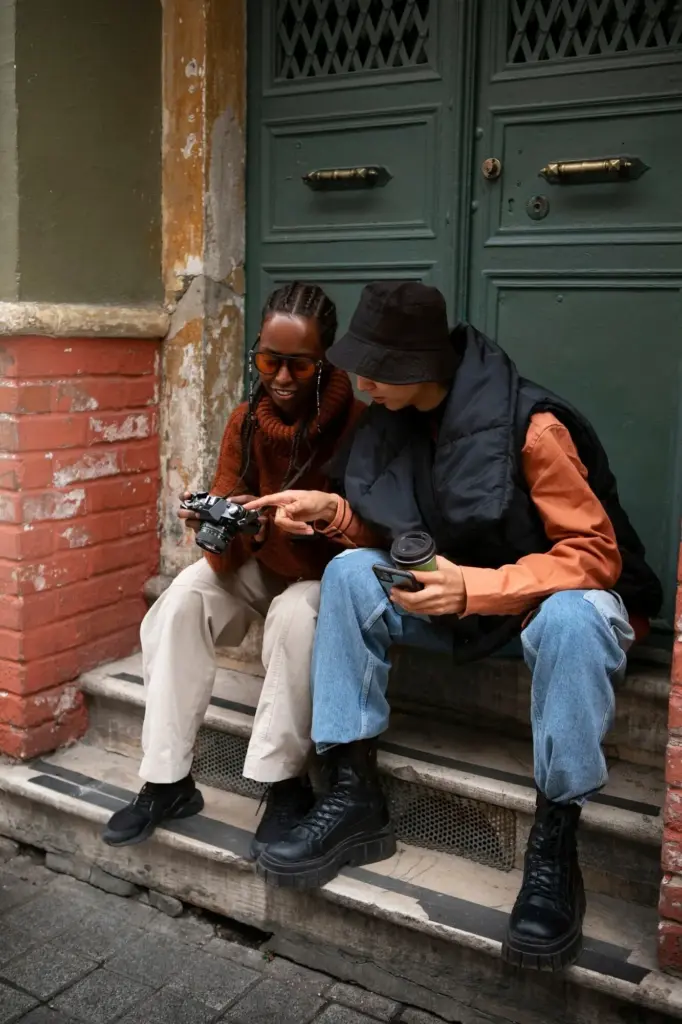
Nature fits into pockets of time as neatly as keys. Design three short loops from your front door: dawn, lunch, and dusk. Each reveals different residents and rhythms. Keep them close and repeatable, with small variations to avoid boredom. Mark landmarks—a sycamore, a mural, a puddle patch—and let them anchor your attention. The routine creates baselines that sharpen your sense for seasonal arrivals and quiet departures in familiar streets.

Join the Neighborhood of Noticers

Your observations matter, and so does your voice. Share a photo essay of tiny habitats, start a five-minute doorstep watch with friends, or comment below with your favorite curbside discoveries. Subscribe for seasonal prompts that nudge you outside when conditions are perfect for mushrooms, moths, or migrating swifts. Together we amplify kindness for the overlooked, turning short local walks into a community practice of care, celebration, and everyday natural history.
Pamevipanipaxuxeruzemu
Privacy Overview

This website uses cookies so that we can provide you with the best user experience possible. Cookie information is stored in your browser and performs functions such as recognising you when you return to our website and helping our team to understand which sections of the website you find most interesting and useful.