
Step Outside into a Story-Rich Neighborhood
Today we explore mapping local history with walkable heritage trails from your doorstep, transforming everyday sidewalks into living timelines. You will learn how to turn memories, archives, and ordinary landmarks into a welcoming path that begins at home, sparks conversation, and invites neighbors, families, and visitors to engage with shared stories under open skies.
Reading the Street
Street names often carry traces of early landowners, vanished mills, or once-busy ferry landings. House numbers and construction styles reveal growth spurts after rail lines arrived. Utility covers show municipal evolutions. Treat signage, pavement, and shadows as footnotes waiting to be read aloud, and share your observations with neighbors to build confidence and collective insight as your map gradually takes shape.
Finding Hidden Sources
Local librarians can guide you to city directories, Sanborn fire insurance maps, historic aerials, and old newspapers that illuminate addresses and stories. Talk with long-timers while walking; they often remember what buildings replaced or festivals that used to gather crowds. Gather small facts on index cards, then test them on the ground, confirming against multiple sources before adding them to your trail narrative.
Tools for Thoughtful Mapping
Good mapping balances analog clarity and digital depth. Begin with paper to think spatially without distractions, then add layers using open data and community knowledge. Simple GPS traces, smartphone photos, and free platforms like OpenStreetMap or Google My Maps can capture nuance. Always calibrate technology to serve people, not the other way around, preserving legibility, accessibility, and the human warmth of storytelling.
Paper First, Always
Print a simple basemap, grab colored pencils, and draw your loop with arrows, landmarks, and notes for benches or shade. Paper encourages collaboration on a stoop or library table, inviting neighbors to mark memories directly. Keep versions dated and photographed for documentation, and carry a clipboard on scouting walks to revise on the spot without battery anxiety or distracting notifications.
Digital Layers that Matter
Overlay historical maps, land parcels, and transit lines to reveal patterns invisible at street level. Use open data portals for heritage listings, tree inventories, or public art. Geotag interviews and photos to precise points. Maintain legible symbology and captions that respect screen readers. Choose tools your community can sustain, favoring open formats and simple exports that enable sharing across platforms and print.
Field Verification
Nothing replaces walking the route repeatedly at different times and in different weather. Test crossings during school arrival, note glare at sunset, listen to traffic on weekends, and time how long each segment takes at an easy pace. Cross-check inscriptions and dates. Invite a friend unfamiliar with the area to follow your draft map, then incorporate their questions and stumbling points to improve clarity.

Voices of the Block
Knock gently, introduce yourself, and explain your walk begins at home and invites neighbors to add their memories. Use short, open questions: Who used this alley? Which festivals filled this square? Record with permission, and share back transcriptions for accuracy. Acknowledge conflicting recollections; their coexistence deepens understanding and keeps the trail honest, complex, and respectful of diverse experiences across generations.
Photographs as Time Machines
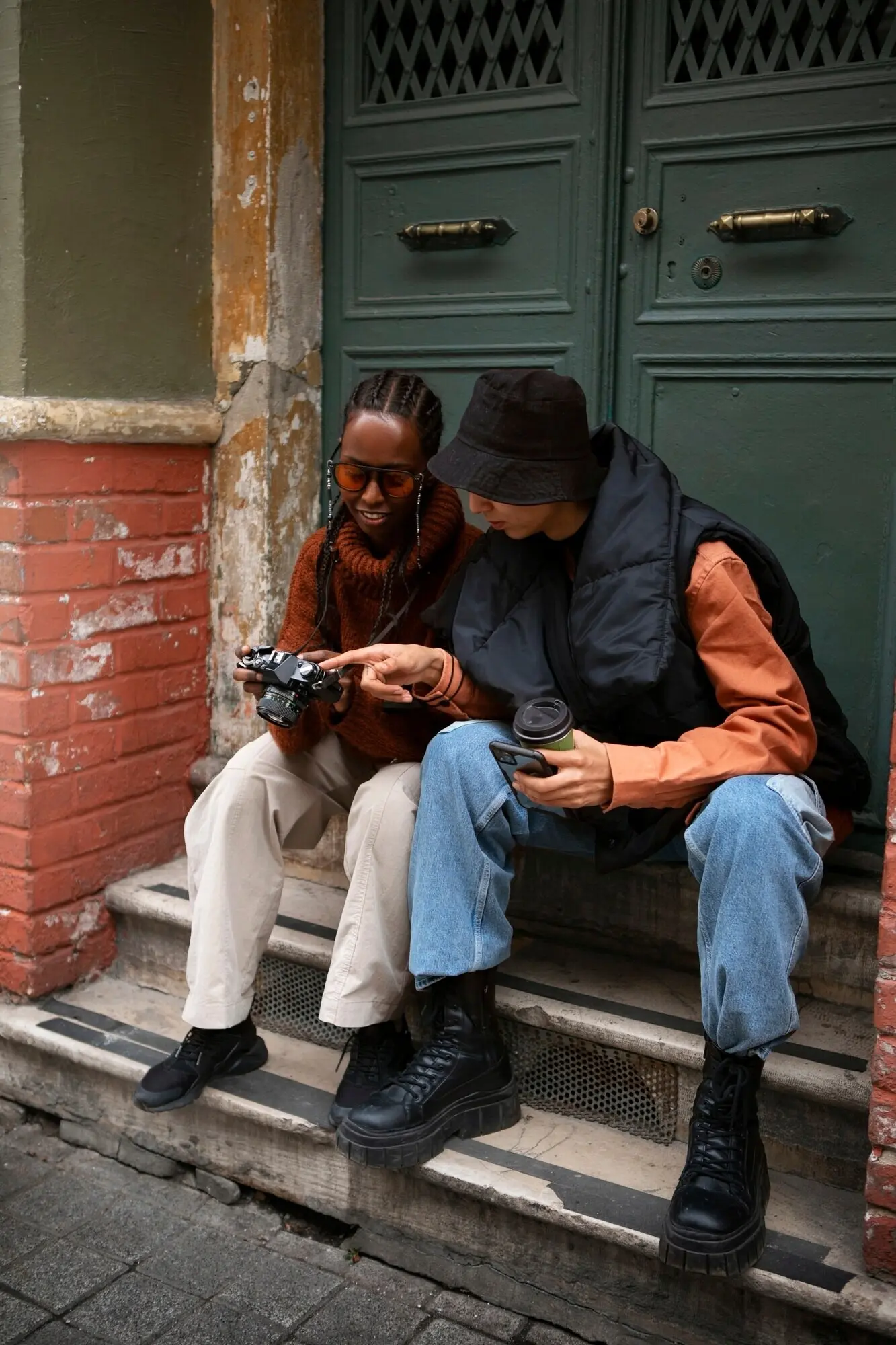
Pair archival images with contemporary views from the same vantage point, creating before-and-after juxtapositions. Invite walkers to line up rooflines and cornices to match eras. Display images in pocket-sized zines or QR-linked galleries. Encourage residents to contribute family snapshots, adding intimate perspectives. These visual echoes help newcomers and children grasp change viscerally, sparking conversation that enriches each stop’s interpretive moment.

Small Artifacts, Big Meanings
A carved lintel, mail slot, or hand-worn stair provides tactile entry points into labor histories and domestic routines. Note dates on cornerstones and manufacturing marks on railings. Encourage walkers to look down and up, not just forward. Detail materials—terra-cotta, limestone, timber—and discuss why they appear here. These micro-stories anchor larger narratives in tangible evidence people can see, touch, and remember.
Designing Inclusive, Walkable Routes
Accessibility makes heritage truly communal. Consider gradients, curb cuts, surface textures, shade, restroom availability, and seating intervals. Keep descriptions plain-language and offer audio options. Design multiple exit points for differing energy levels. Center dignity and independence, consulting mobility users and caregivers. Inclusive choices improve comfort for everyone, from strollers to seniors, turning your local walk into a welcoming neighborhood ritual.
Seasonal and Narrative Variations
A route that starts at your doorstep can change with weather, light, and community rhythms. Offer dawn bird songs in spring, cooling shade paths in summer, leaf-peeping lines in autumn, and cozy window displays in winter. Vary the storyline, emphasizing water, work, migration, or music. Return walkers discover new details, and returning neighbors contribute fresh memories that strengthen belonging and care.




From Solo Walk to Community Tradition
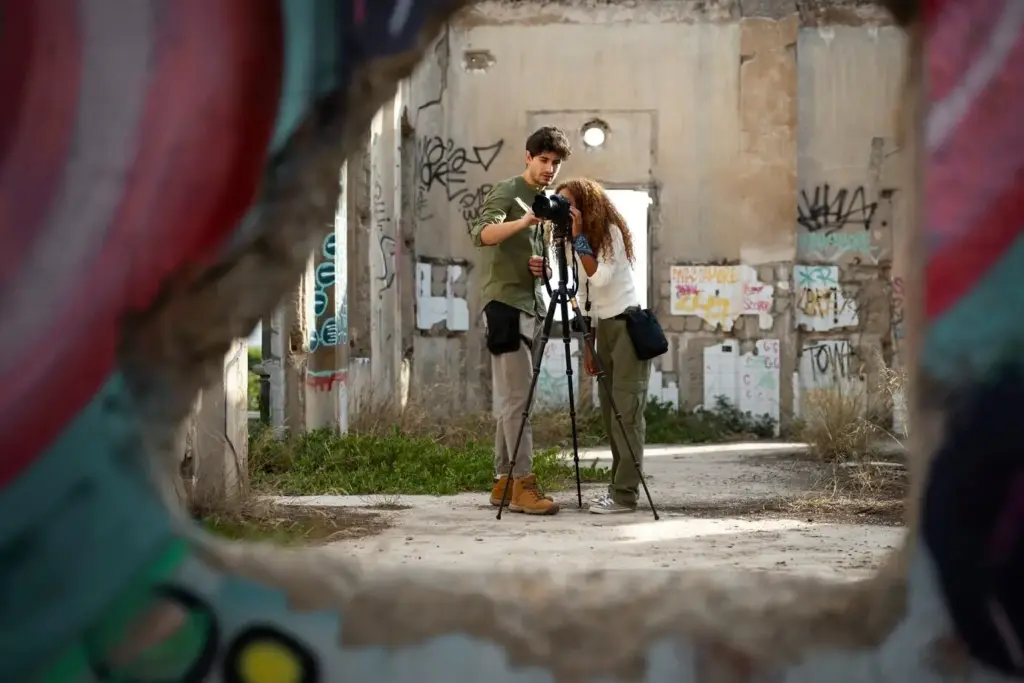
Beginning alone from your doorstep is powerful, yet inviting others transforms personal curiosity into shared stewardship. Host small pilot walks, ask for feedback cards, and rotate co-leaders. Collaborate with neighborhood associations, libraries, and local businesses. Offer family-friendly variations and quiet versions for reflective groups. Traditions grow through consistency, generosity, and clear invitations that welcome different schedules, languages, and cultural backgrounds.
Measuring Impact and Sustaining the Project
Track small wins to stay motivated: more participants, new stories collected, safer crossings advocated, or a restored sign. Gather qualitative reflections and quantitative counts without burden. Rotate responsibilities and train new co-leaders to prevent burnout. Seek microgrants for printing and translation. Sustained care grows from clear purpose, transparent decisions, and consistent appreciation for everyone’s time, knowledge, and heartfelt contributions.
Simple Metrics that Matter
Count participants, stops improved for accessibility, and new oral histories recorded. Note repeat attendance and diversity of ages. Log route adjustments prompted by feedback. Celebrate incremental changes, like a new bench or crosswalk timing improvements. Share results in a friendly one-page update that invites more ideas, reinforcing that data serves people and stories, not the other way around.
Care and Maintenance
Revisit signs and QR codes to confirm legibility, links, and placement. Refresh printed guides as facts evolve. Update overlays when construction changes sidewalks. Remove any temporary markings promptly and respectfully. Build a calendar of seasonal checks and invite volunteers to co-own a segment. Maintenance demonstrates reliability, encouraging neighbors to invest their time, attention, and cherished memories in the ongoing project.
Funding without Fuss
Seek small sponsorships from corner shops that benefit from foot traffic, or apply for neighborhood grants that prioritize accessibility and culture. Be transparent about budgets and in-kind contributions like printing or water. Keep costs low with volunteer-led audio and open-source tools. Publicly thank supporters and invite community oversight, reinforcing trust while protecting independence and the welcoming spirit of your walk.